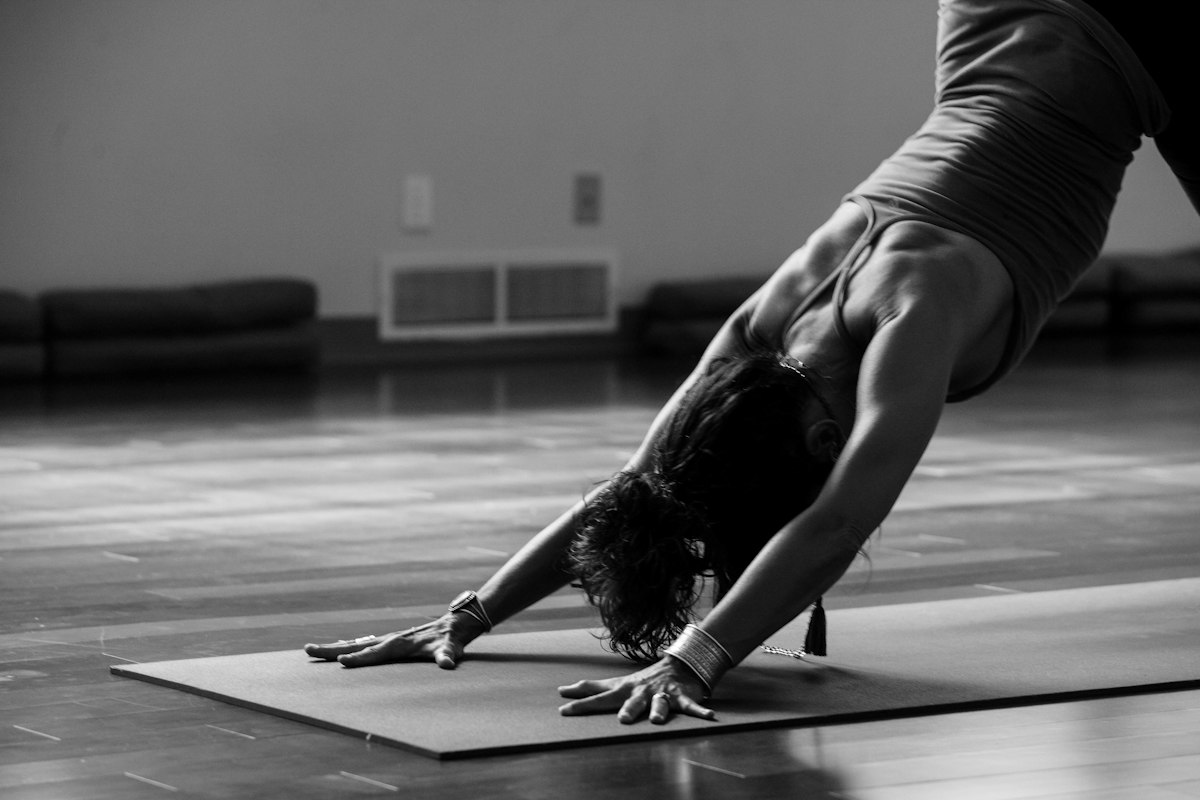
Pilates requires focus, coordination, and muscular endurance. What you eat (and when) plays a surprisingly big role in how well you perform and how quickly you recover. Here's our guide to fuelling your practice.
Before Class: Light and Digestible
Pilates involves a lot of core engagement, which means exercising on a full stomach is never a good idea. Aim to eat a light meal or snack 60–90 minutes before class. You want enough fuel to keep your energy up without feeling bloated or sluggish.
Good pre-pilates options include a banana with almond butter, a small bowl of oats with fruit, a rice cake with avocado, or a small smoothie. Keep it low in fat and fibre, which slow digestion, and moderate in carbohydrates for quick energy.
Hydration Is Non-Negotiable
Drink at least 500ml of water in the 2 hours before class. During class, small sips are fine. After class, aim to rehydrate properly — especially if you attended an energetic Flow session. Adding a pinch of sea salt to your water or having a coconut water can help replenish electrolytes.
"Most people show up to class mildly dehydrated without realising it. Even mild dehydration affects concentration and muscle function significantly." — Cara Lim, Instructor
After Class: Protein and Real Food
Your muscles have been working hard, especially your deep stabilisers. Within 30–60 minutes of class, aim for a meal or snack that includes protein (for muscle repair) and complex carbohydrates (to replenish glycogen). Good options include eggs on whole grain toast, a chicken and vegetable rice bowl, a Greek yoghurt parfait, or a protein smoothie with banana and nut butter.
What to Avoid
In the hour before class, avoid heavy meals, high-fat foods, carbonated drinks, and anything that tends to cause you bloating. Coffee is fine for most people, but if you're sensitive to caffeine, have it at least 90 minutes before class.
Premium members at Better Studio have access to a complimentary nutrition consultation. Explore the Premium Plan →