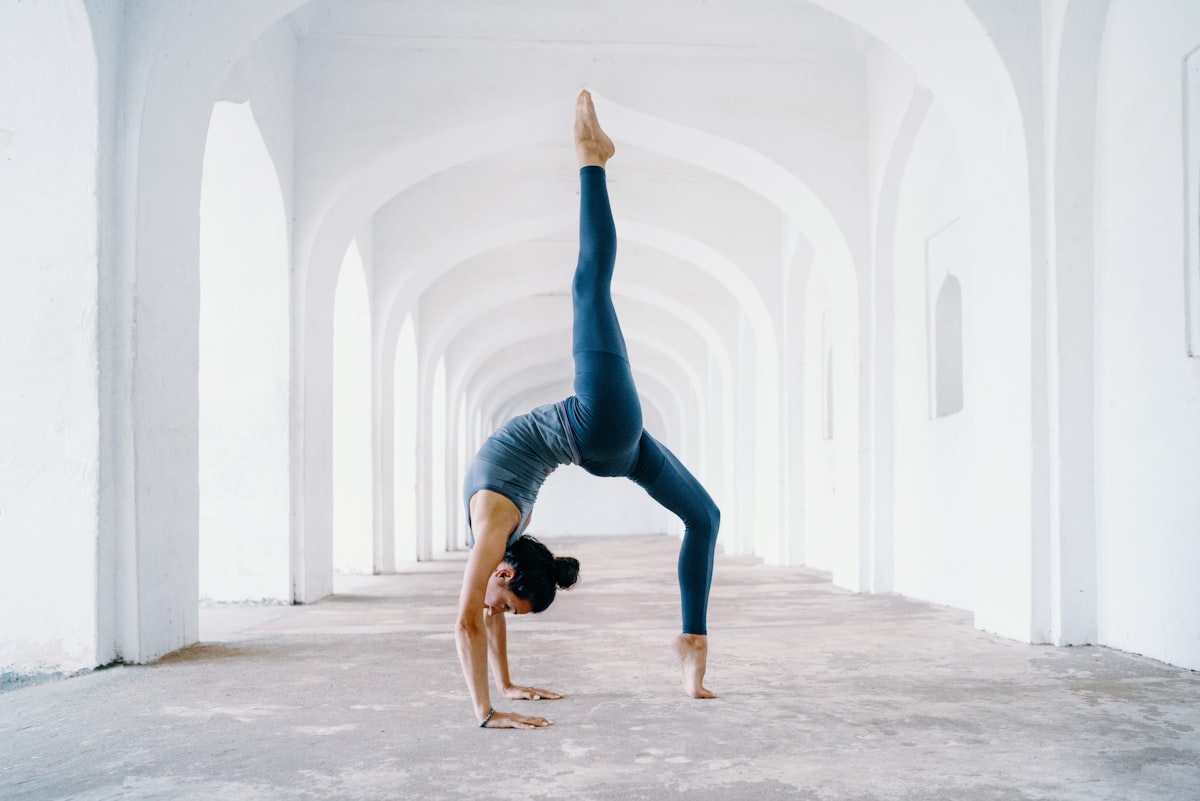
When Joseph Pilates developed his method in the early 20th century, he called it "Contrology" — the complete coordination of body, mind, and spirit. Long before neuroscience caught up, he understood something profound: the way we move reflects — and shapes — the way we think and feel.
What Is the Mind-Body Connection?
In simple terms, the mind-body connection refers to the relationship between our mental state and our physical sensations. Research in psychoneuroimmunology (the study of how the mind affects the nervous and immune systems) has shown that our thoughts and emotions have measurable effects on our physical health, and vice versa.
Pilates is one of the movement modalities that most explicitly cultivates this connection — and that's precisely what makes it so powerful.
Breath as the Bridge
In every pilates session, breath is the foundation. We inhale to prepare, exhale to move. This is not arbitrary — deliberate breath patterns activate the parasympathetic nervous system (the "rest and digest" state), calming the stress response and bringing us into a state of present-moment awareness.
For many people who come to pilates carrying stress and tension in their bodies, this is immediately transformative. Within the first few sessions, members often comment that they feel calmer not just after class, but throughout their week.
"Breathing is the first act of life, and the last. Our very life depends on it." — Joseph H. Pilates
Concentration: The Antidote to Autopilot
Pilates requires your complete and sustained attention. Unlike running on a treadmill with headphones in, reformer pilates demands that you are mentally present for every repetition. You're thinking about which muscles to engage, which to release, where your spine is, what your breath is doing. This is, in effect, a form of moving meditation.
Research on attention training shows that practices requiring sustained focus — like pilates, yoga, and certain martial arts — have measurable effects on cognitive function, including improved working memory and reduced anxiety.
Emotional Release Through Movement
It's not uncommon for people to experience unexpected emotions during or after a pilates session. The body stores tension and trauma in the muscles and connective tissue. As we release physical tension through movement and breath, emotional tension can release alongside it. This is normal, healthy, and something our instructors are trained to acknowledge with sensitivity.
The Practical Takeaway
You don't need to understand the neuroscience to benefit from the mind-body connection in pilates. You just need to show up, breathe, and pay attention. The physical and mental benefits will follow. Over time, many members find that the concentration and intentionality they practice in pilates naturally extends into other areas of their lives.
Experience the mind-body connection for yourself. Book your first Better Studio class →